I’ve been driving up here twice a year for about five years, and I’ve stopped pretending I taste in the “right” order most days. But if you only fix one thing about how you work a cellar door, fix this: start with Semillon.
It’s the wine the Hunter is measured by, and it’s the one I’d want on a fresh palate. Ask if they’ll pour a young release and an older bottle side by side. For me, that comparison explains Hunter Semillon more clearly than a tasting note.
Start with Semillon, then chase contrast
I use this sequence because it keeps my palate working through the afternoon.
| Variety | Why it earns a spot | The comparison I ask for | When I taste it |
|---|---|---|---|
| Semillon | The Hunter’s signature white, built on early picking and acidity | Current release beside an aged one | First, palate fresh |
| Shiraz | The main red, usually medium-bodied and savoury | A young wine beside a bottle with some age | Before anything heavier or fortified |
| Chardonnay | Long local history, and the styles vary a lot by maker | A leaner example beside a fuller one | After Semillon, before the reds |
| Verdelho | Fuller and more openly aromatic | Verdelho next to Semillon | Early in the flight |
| Alternative varieties | A read on what makers are planting now | Fiano or Vermentino; Tempranillo or Sangiovese | One specialist stop |
You don’t need all of this at every door. Give each stop one job. If a later list covers the same ground, skip the repeat and save your palate for the wine you drove out here for.
Semillon is worth the side-by-side
Hunter winemakers pick Semillon early, ferment it dry and usually keep it in stainless steel without oak. That leaves it low in alcohol and high in acid. Young releases can be lean and citrusy, with the structure to develop in bottle. At three years old, some taste austere, which is why I ask for an aged bottle beside them.
Give it a decade and the picture shifts. Toast, honey, a waxy lanolin note, with the acid still holding the whole thing taut. How fast that happens depends on the producer and the year, so ask whoever’s pouring how long they’d sit on that particular bottle. They’ll usually tell you straight.
If a door has both a current and a museum release open, taste them together. You’ll see what age does, and then you can decide the real question: cellar a young one yourself, or pay for a bottle someone has already looked after for you.
Semillon labels can be thin on detail. I ask for the harvest date, the alcohol, and the drinking window. Early picking is the whole style. Low sugar at harvest means low alcohol, and the acid that comes with it is what lets these wines go the distance.
Unoaked is the norm, but don’t assume every maker follows one recipe. Ask about the vessel and how long the wine sat before bottling. Lees work, the vineyard site, a warm vintage: any of those can change the feel without turning it into an oaked white.
Shiraz is the red to get
Hunter Shiraz is generally medium-bodied, savoury, a bit earthy, and it gets more of that with age. I prefer it to the bigger, higher-alcohol Barossa style. Yours might land the other way, and that’s fine.
Medium-bodied describes the wine’s weight. These wines carry earth, leather and savoury spice with less density and alcohol than styles from warmer regions south. Older ones let the fruit step back and the savoury side come forward, which is when I like them most.
Ask whether the flight spans different vineyards or vintages. That gives you a real sense of the style without pouring you four near-identical glasses.
You’ll see the word Burgundy on some old Hunter reds. It survives as a historical Australian term, though the wine still came from the Hunter. Current bottles say Shiraz, or the producer’s own cuvée name.
When I’m buying, I ask about the vintage. Rain and harvest timing swing hard here, and a maker might give you different drinking windows for two adjacent years. That tells me more than one vintage chart for the whole valley.
Chardonnay rewards a proper comparison
Chardonnay runs deep in the modern Hunter story. Tyrrell’s lists Vat 47 Chardonnay and describes Chardonnay as a variety it helped pioneer in Australia.
The regional label promises you nothing about flavour. Picking date, oak, malolactic, lees contact: any of them can push a Chardonnay toward tight and flinty, or toward broad and rich. Ask which of those calls made the wine in your glass, then compare two on those terms.
Taste it after Semillon. Come back to young Semillon straight after a bigger, oakier Chardonnay and the Semillon reads like a lemon. If the flight has several Chardonnays, pick one useful contrast from the set.
Verdelho widens the whites
Verdelho has a long run in the Hunter and still makes sense in the heat. It’s fuller and more openly aromatic than young Semillon, often tropical or floral, and it’s easy to enjoy at the counter without much effort.
That ease is also the trap. Check whether it’s dry. Ask if there’s any residual sugar left in it, because plenty of people mistake all that aroma for sweetness when the wine is bone dry.
Most Verdelho is made for drinking young. Get the producer’s window before you buy a case for the rack.
Alternative varieties are worth one stop
Makers across the valley are planting beyond the established four. Fiano, Vermentino, Tempranillo, and Sangiovese all show up in places, though what’s available shifts by producer and vintage. The whites cope well with warm autumns, which is part of why they’re going in.
My advice is to use one stop for whatever off-piste bottle that maker lists. Fiano is a good place to begin, and the verified list below shows where it’s currently on record.
Ask where the grapes grew and whether the bottle is current before you make an alt-variety the reason for a booking. Treat these as experiments to understand on their own terms. The old Hunter varieties haven’t gone anywhere.
Cellar doors pouring Fiano
These verified cellar doors currently list Fiano in their range:
 1813 WinesBroke$20
 Ben EanPokolbin$20
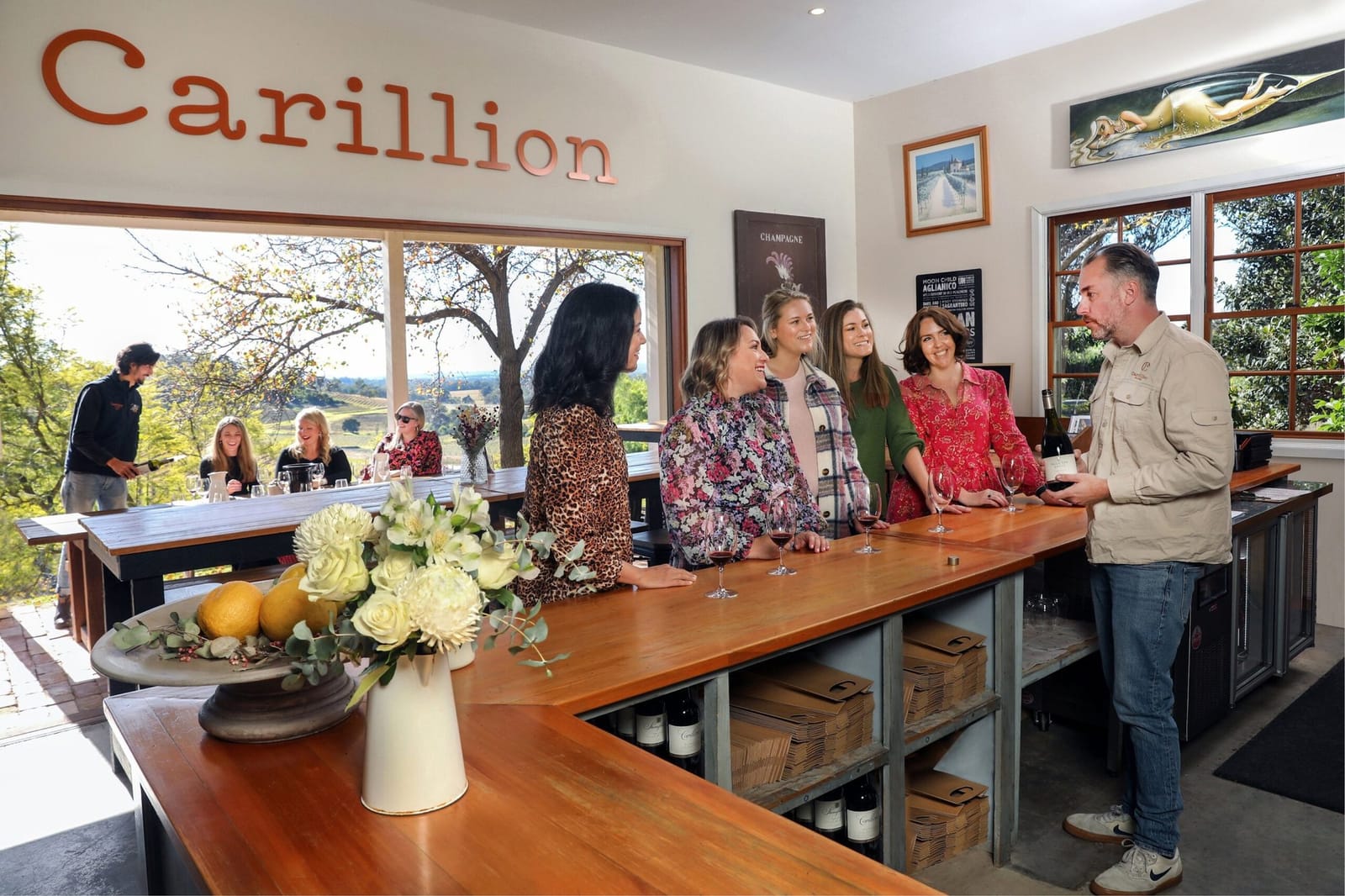 CarillionMount View$10
 DalwoodDalwoodFee varies
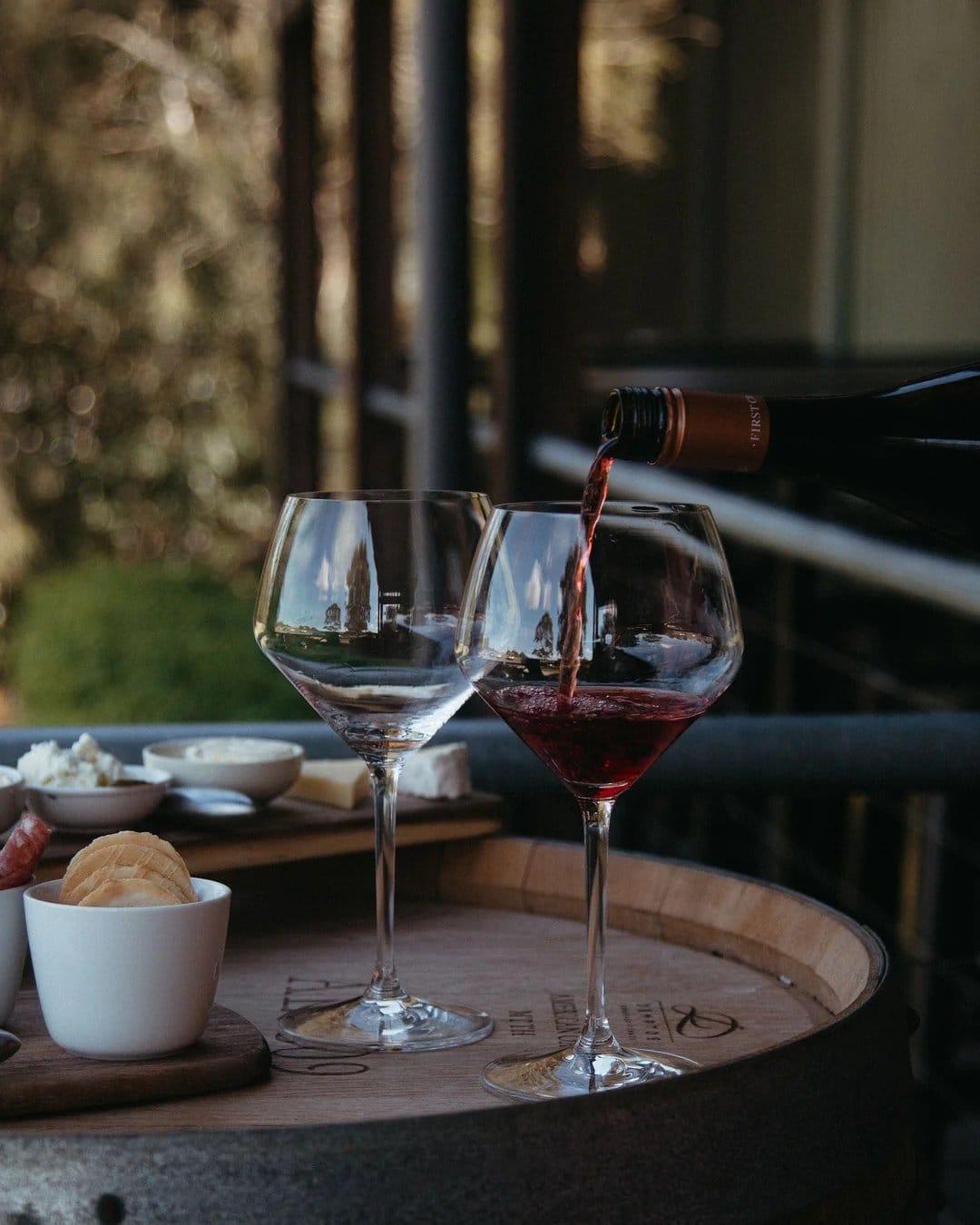 First CreekPokolbin$10
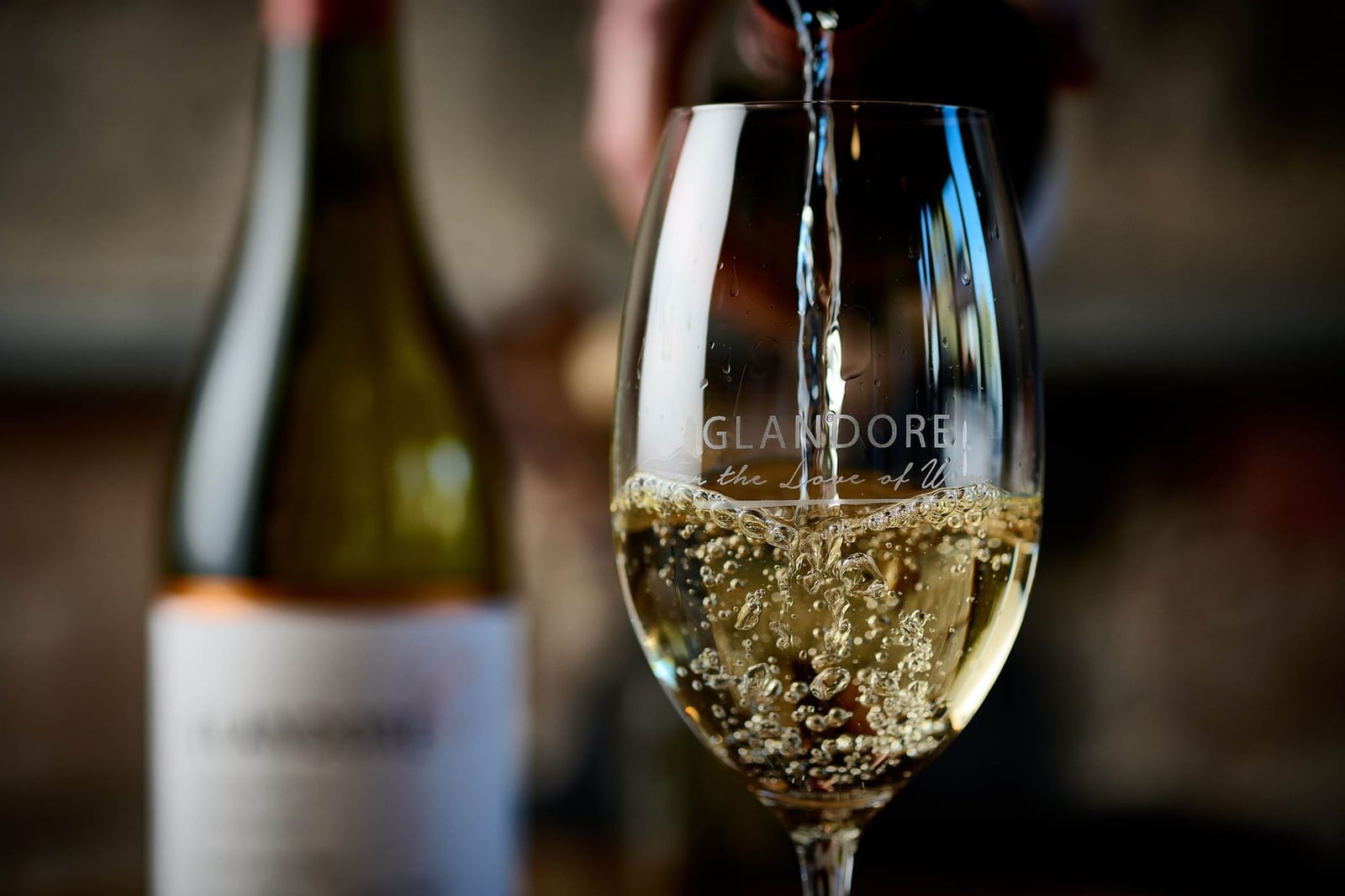 Glandore EstatePokolbin$15
16 cellar doors listing Fiano. See all 16
The old names give you your bearings
The Hunter wears its history on its sleeve. Drayton’s dates its winemaking to 1853, Tyrrell’s to 1858, Tulloch to 1895, Mount Pleasant to 1921. Lake’s Folly dates to 1963.
I like slotting a historic producer near the start of a cellar-door day. Use it to set your Semillon or Shiraz benchmark, then pick later stops for contrast. The dates give you context; the current menu tells you whether the place fits your plan.
The heritage alone shouldn’t book the day, though. Check whether the standard flight includes the styles you came for, whether the museum wine needs a separate paid experience, and how long that runs. A long heritage tour anchors my route, so I leave plenty of space around it.
The non-wine stops still need a driver
A non-wine drinks stop can break up a wine-heavy route when someone in the group has had enough Semillon. The same transport plan applies to every alcohol tasting.
Distilleries in the Hunter Valley
Verified distilleries recorded in the directory:
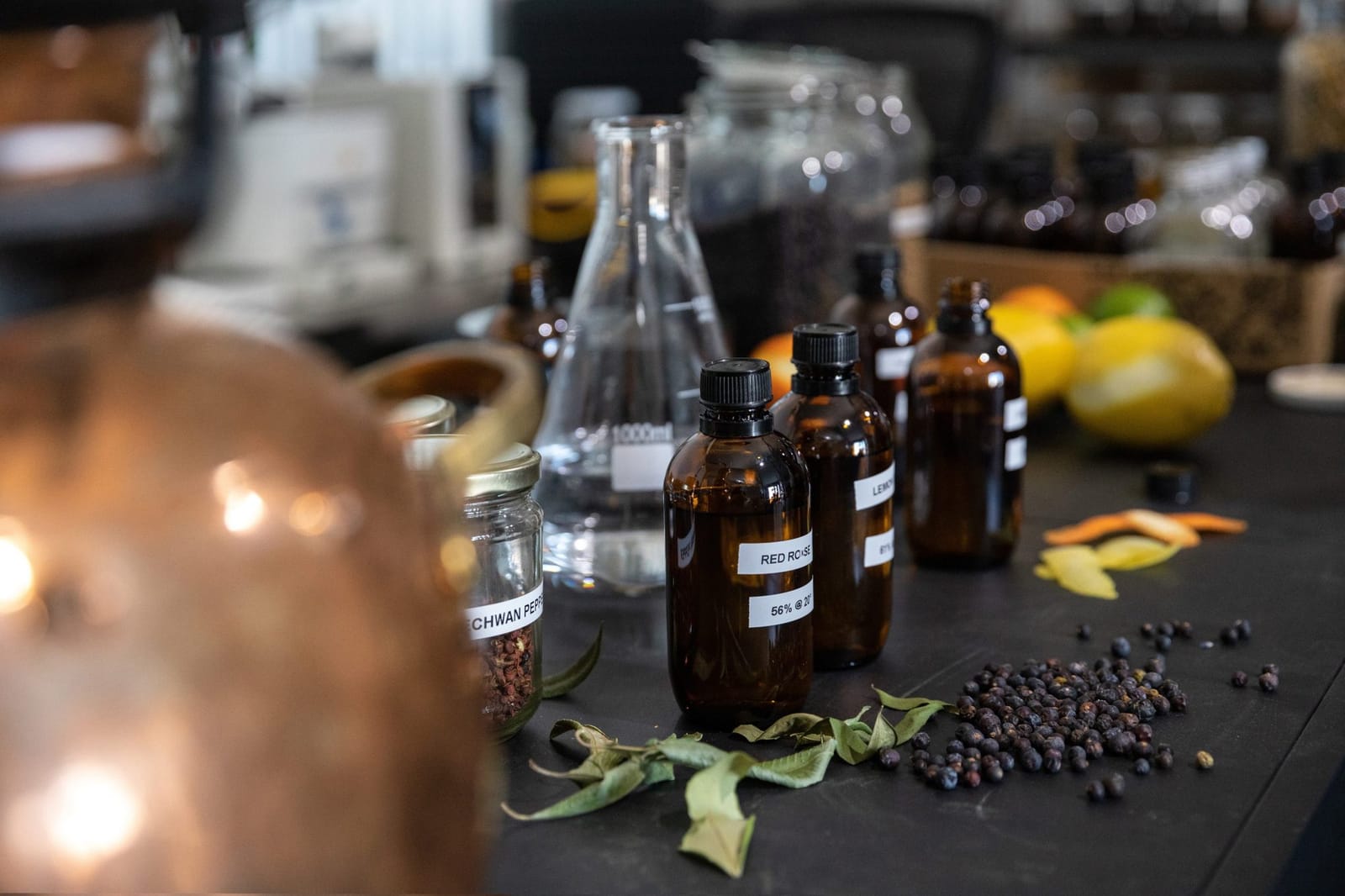 FAR DistillingPokolbin$10
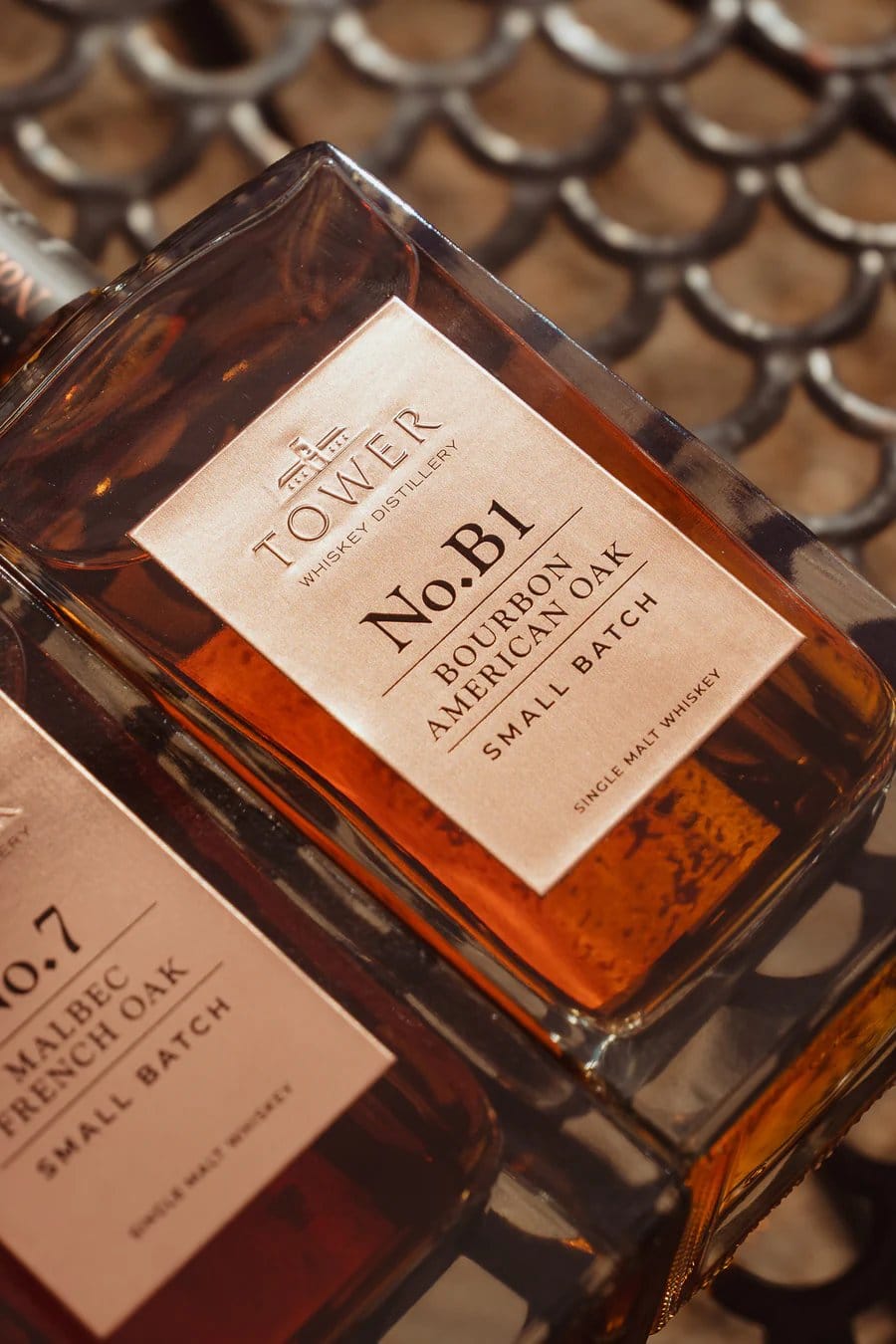 Hope DistilleryPokolbin$20, waived with purchase
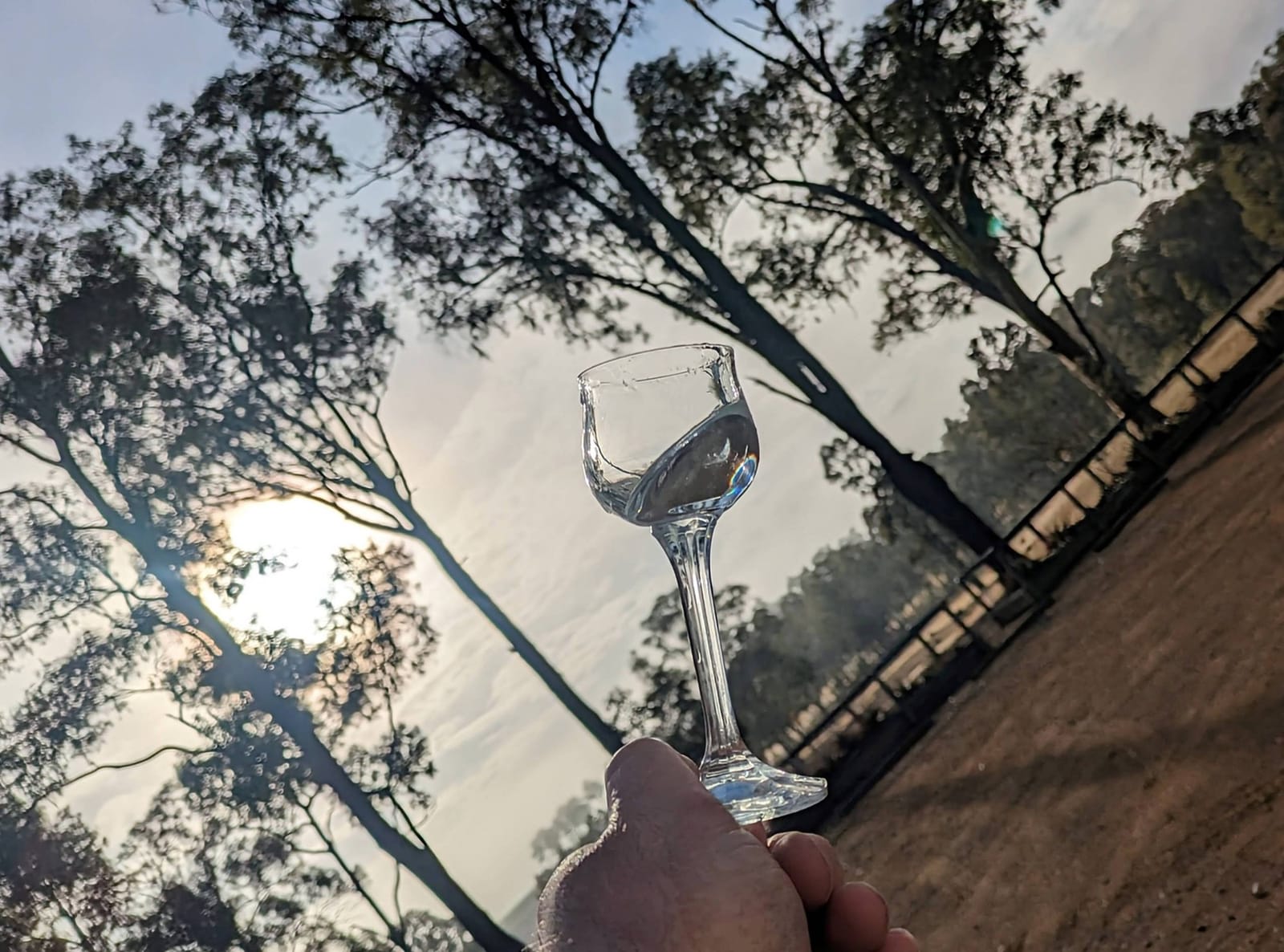 Hunter DistilleryPokolbin$10
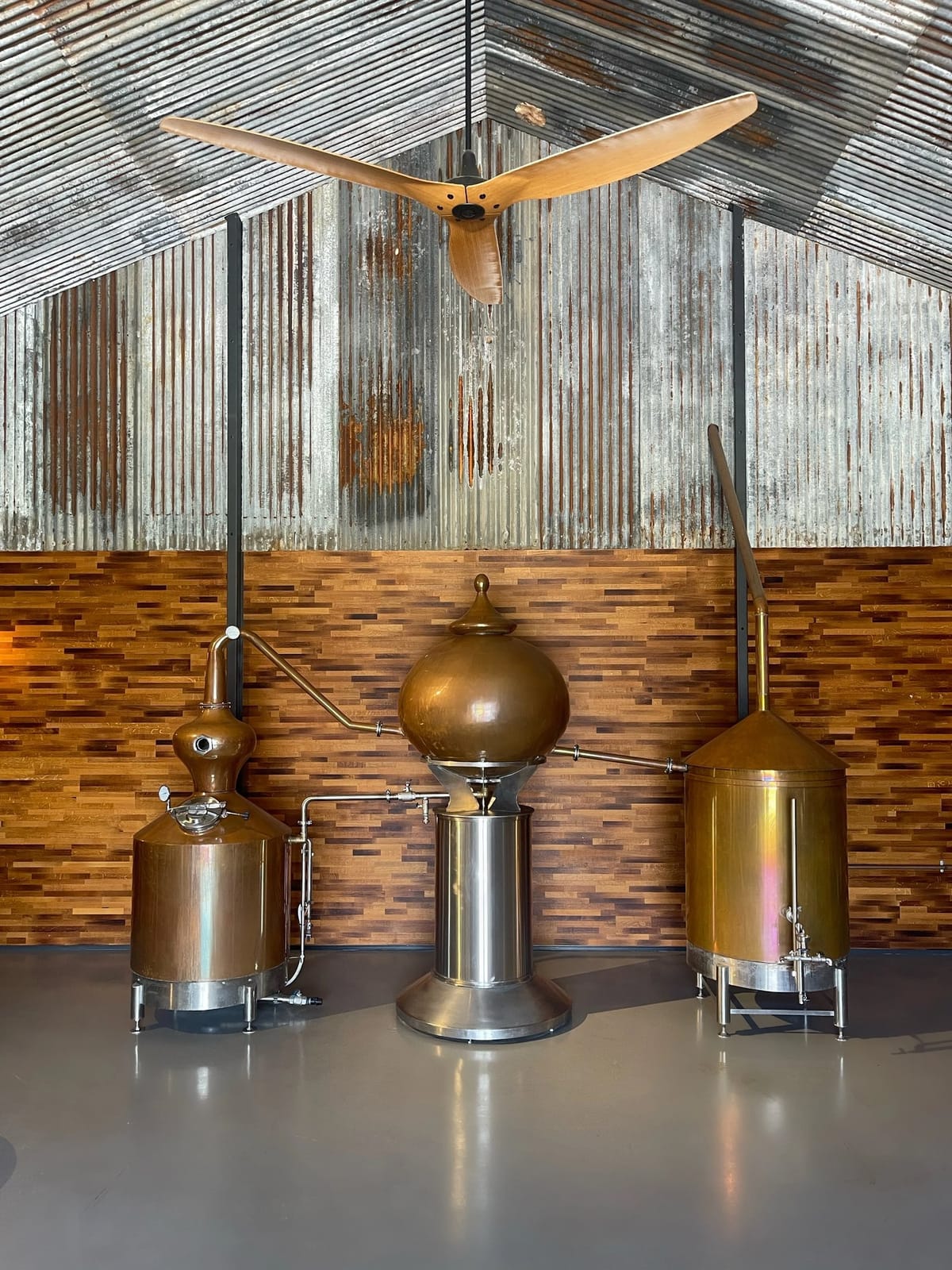 Kawal Rock DistilleryMilbrodaleFee varies
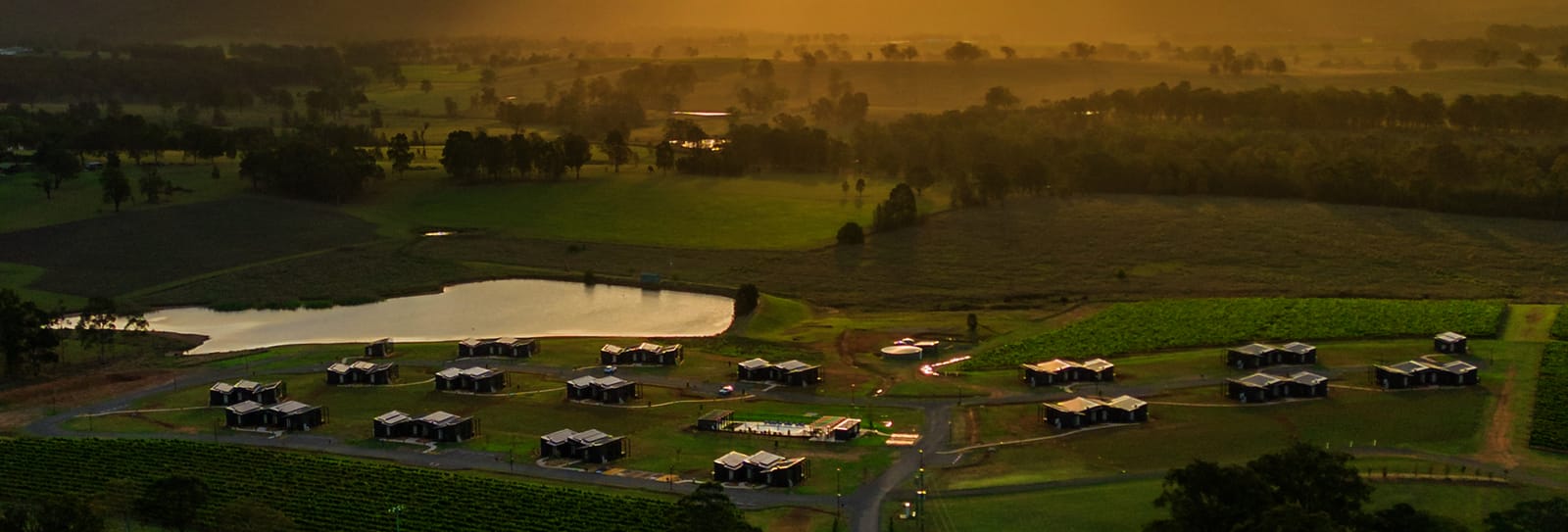 Night Merchant DistilleryPokolbin$18
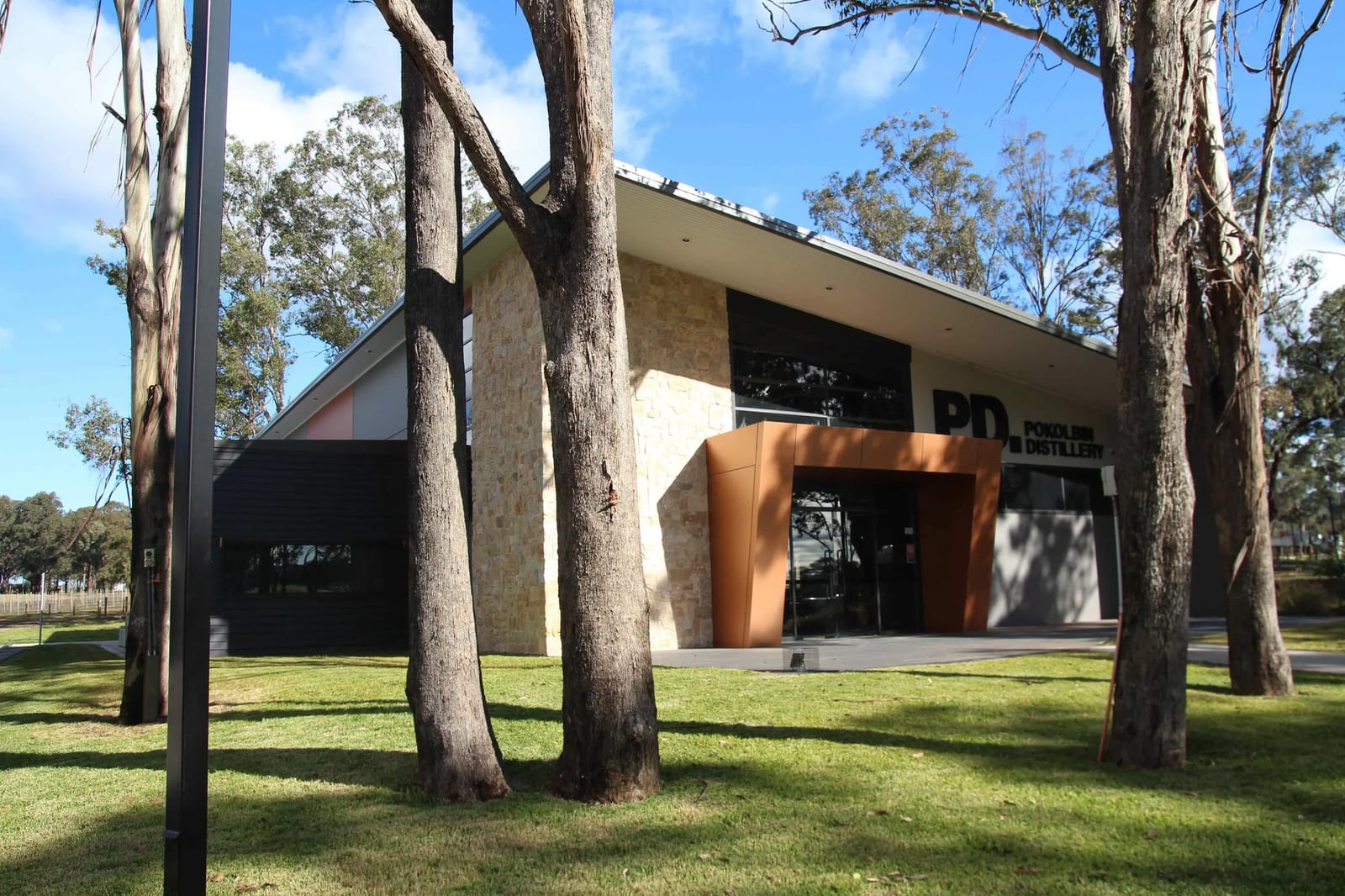 Pokolbin DistilleryPokolbin$15
9 distilleries. See all 9
The order that keeps a day drinkable
Each door sets its own flight order. Across the whole day, the bigger sequence is on you. This is the run I default to:
- Young Semillon first, with any age comparison you can get.
- Verdelho and Chardonnay before the reds.
- Lighter or younger Shiraz before the older, more concentrated bottles.
- Sweet, fortified, or big-flavoured drinks right at the end.
- Stop when the distinctions start blurring. They will, and pushing past it just wastes the wine.
Water, a real lunch, and the spit bucket protect the whole exercise. The job is to notice the wines. Volume works against that every time.
If a distillery or brewery is in the plan, give it its own stop after the wine. Going back to a delicate Semillon with gin on your palate is rarely a good idea.
What the fee is really telling you
The middle half of published entry-level winery tasting fees in the verified directory runs $10 to $15 a head. The top entry-level fee in that set is $112.5.
Read the experience description before you compare numbers. The duration and format tell you far more than the price, and they decide how much of your day the booking eats.
Some verified Hunter cellar doors still pour for free. Treat the live list below as a starting point and confirm when you book, because fees and inclusions move around.
Cellar doors listing a free tasting
These verified cellar doors currently record a free tasting option:
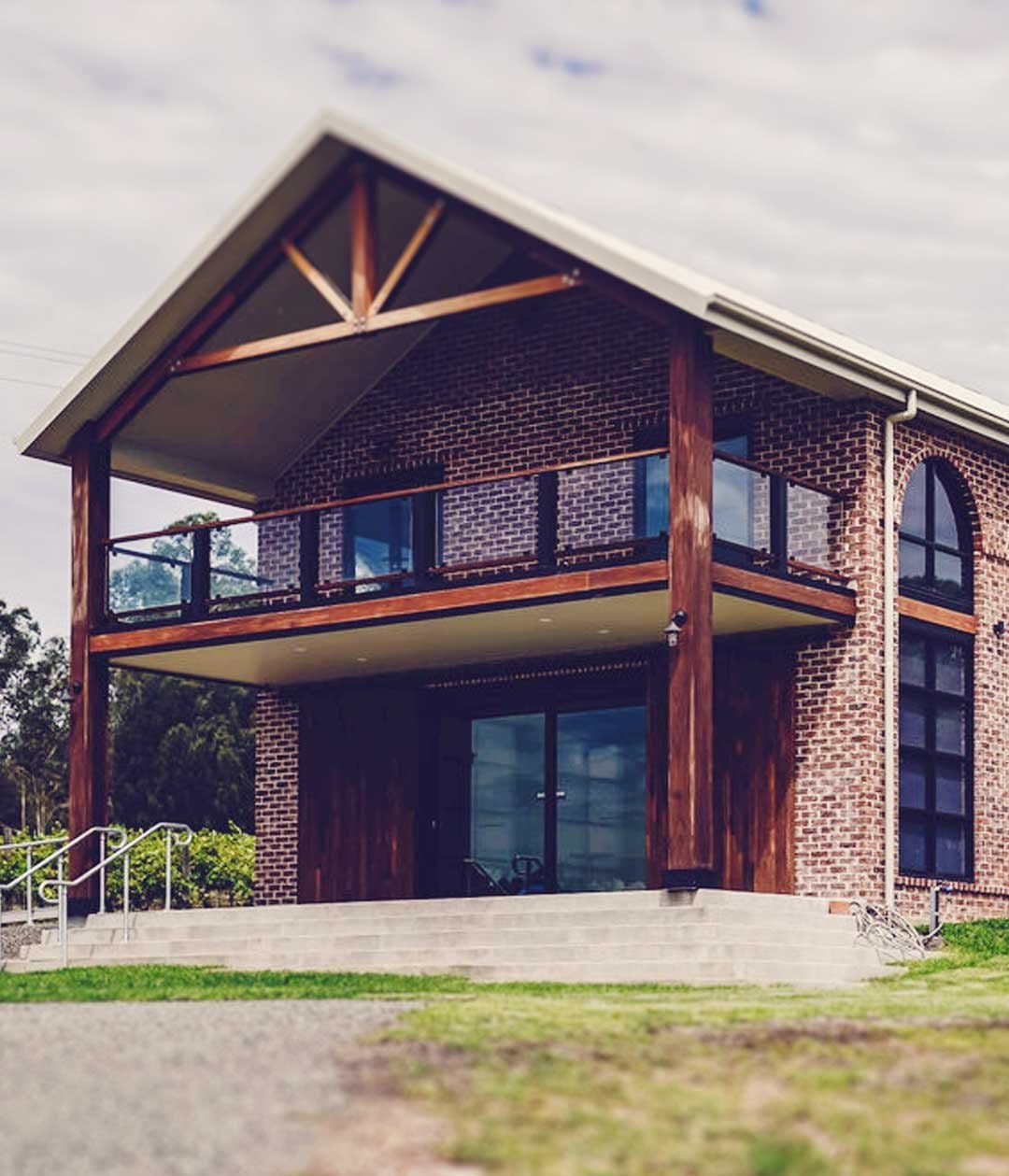 Adam's LeapPokolbinFree tasting
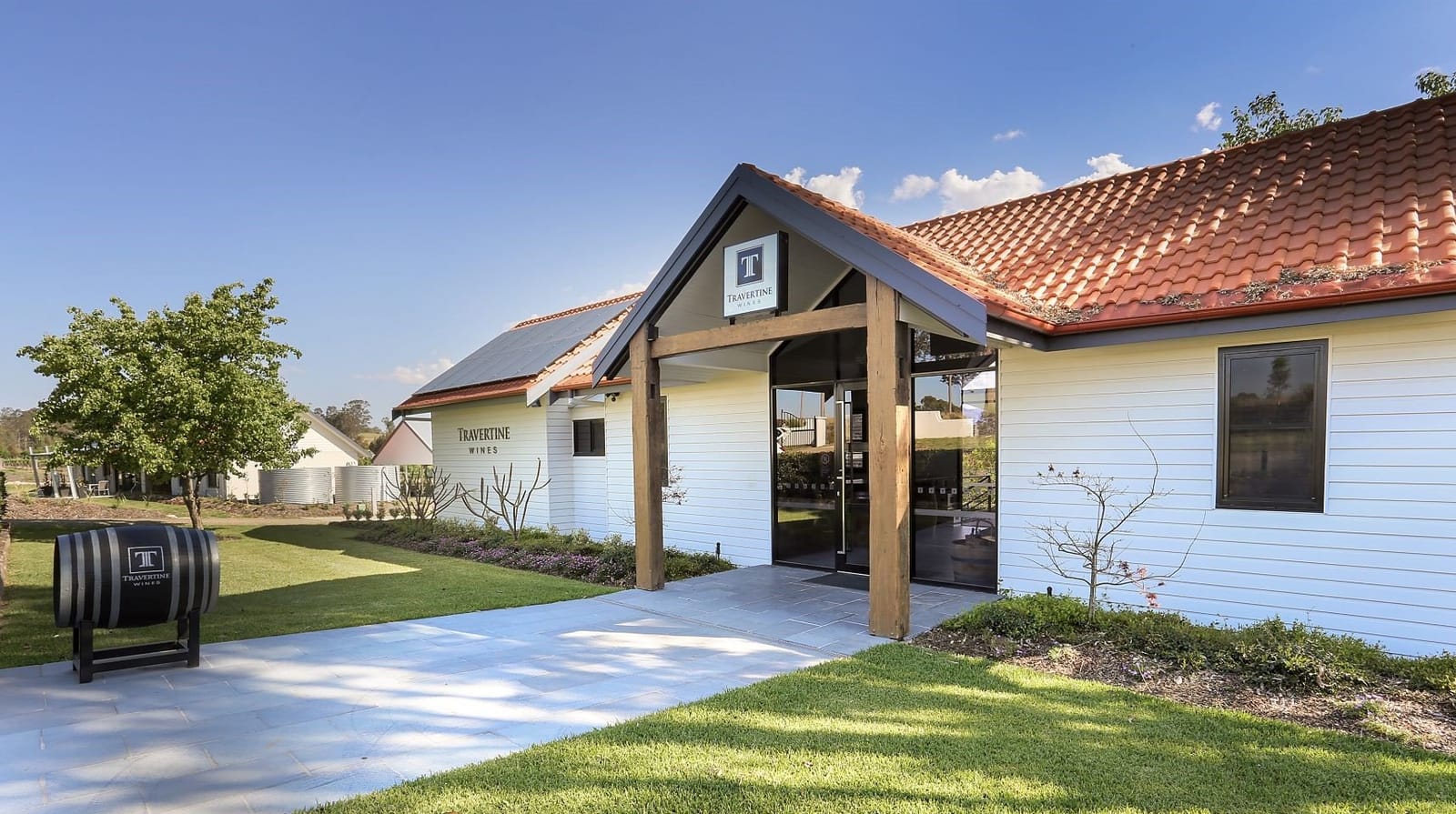 TravertineBelfordFree tasting
2 cellar doors. Open the directory
Compare the format before the price
Fees change constantly, so I don’t memorise them. What’s steadier is the shape of the experience. These categories are what I look at first; the venue’s own booking page has the current amount.
| Format | What you usually get | Time to allow | The question I ask |
|---|---|---|---|
| Standard flight | A set range of current wines | About 45 to 60 minutes | Is the fee redeemable against a purchase? |
| Premium or museum flight | Limited, single-vineyard, or aged bottles | An hour or more | Which vintages are open today? |
| Food-matched tasting | Several wines with small plates | Use the published duration | Is this enough to replace lunch? |
| Tour and tasting | Vineyard or production walk plus wines | Often a long fixed booking | What footwear and access do I need? |
| Blending or maker-led session | A hosted, hands-on experience | Treat it as the day’s anchor | What happens if we run late? |
A high fee can buy rare wine, more time, food, or a small group. A cheap or free flight might just be a shorter range. Work out which experience you want, then look at the number.
Water, food, and the spit bucket
Flights vary in size and format. Use the water and the spit bucket, take a proper lunch, and leave time to hear why the wines were poured in that order. That last part is half of why I keep coming back. Buying a bottle is optional, whatever the room implies.
When I pick a published experience, I add its listed duration and a 15-minute arrival buffer to the plan. If I leave the experience open, I allow more time myself.
The questions that change what you buy
Good cellar-door questions are specific enough to get you a real answer:
- Which wine best shows your own vineyard?
- Can I compare a current release with an older bottle?
- Where were these grapes grown?
- What changed between these two vintages?
- When would you open this, and how should I store it?
- Is the tasting fee redeemable against a purchase?
- Can you ship it, and how’s it protected from heat?
Tell them what you normally drink and what you’re trying to understand. If a wine doesn’t grab you, leave the rest of the pour. Nobody minds.
When you buy, photograph the label or note the vintage. Keep the wine out of a hot car, and arrange collection or shipping when lunch will leave it parked in the sun.
Good to know
What wine is the Hunter Valley known for?
Semillon is the Hunter's reference wine. Shiraz is its main red, and Chardonnay and Verdelho are both central to the regional range too.
Why does Hunter Valley Semillon age well?
It is picked early, fermented dry, and usually made without oak, which leaves it low in alcohol and high in acid. Give it bottle age and many examples pick up toast, honey and lanolin while the structure holds.
How much does a wine tasting cost in the Hunter Valley?
It depends on the format, the length and what is included. Use the live typical-fee figure on this page for a standard tasting, and read the experience details before you compare it with a longer or food-matched one.
What should you taste besides Semillon?
Try Hunter Shiraz, then add Chardonnay or Verdelho for a fuller regional picture. One stop pouring an alternative variety like Fiano gives the day some useful contrast.